




LAS VEGAS, Nev. (FOX5) – A Las Vegas designer shares the immense challenges of tariffs on fellow clothing retailers and stores, as small businesses struggle to navigate a landscape with skyrocketing costs.
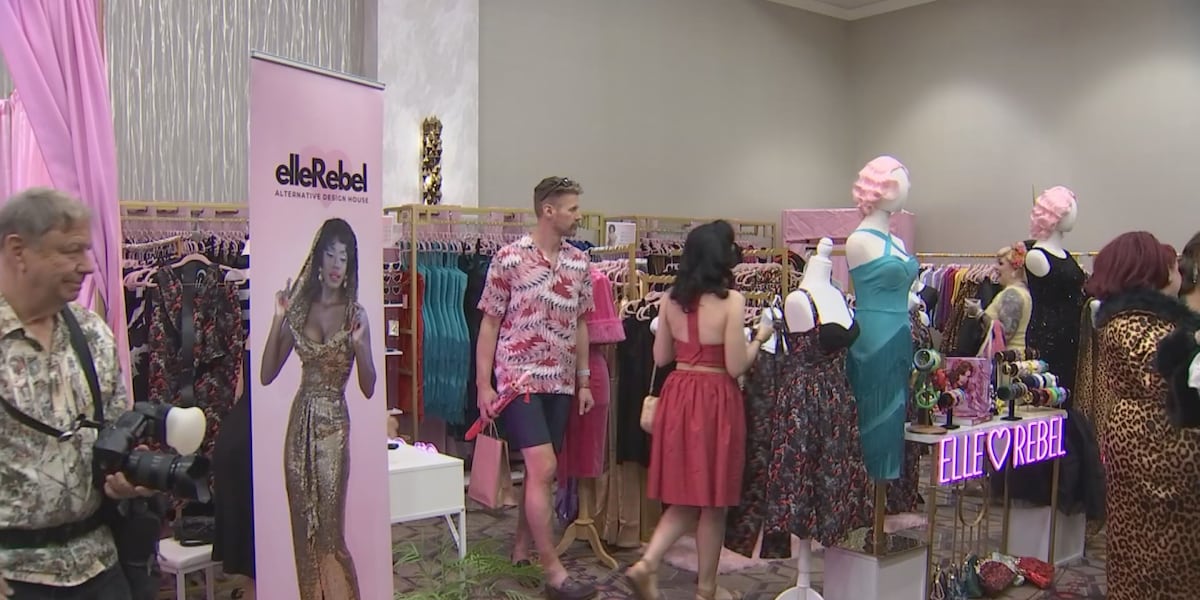
Elle Rebel is a clothing line based in Las Vegas with customers across the U.S. and worldwide. It’s the brainchild of designer Elle Guthrie.
Imports from China are subject to 145% tariffs. Tariffs immediately hit the orders that were expected to come to the U.S.
“The immediate results [of tariffs] was paying import taxes without a heads up. We had 12 styles that were in production at that time. I feel lucky we were not at a full season, and the full season means 30 designs, so that would have been a business-ending import amount,” Guthrie said.
“We’ve been able to just bring in a small amount of those 12 designs. I’ve been leaving a lot of it in China… But I basically brought in a third and was hit with an additional $10,000,” she said.
Besides China, other countries with infrastructure with clothing manufacturing include Bangladesh, Vietnam, Turkey, Italy and the U.S. Guthrie explains how not every factory can make their products– especially in smaller batches for smaller retailers.
“You can’t go to, let’s say, the L.A. factories, that require 500 to 1,000 [orders] per dress. They want them to be simple dresses,” she said. “These are difficult pattern drafting, difficult sewing, difficult fabrics. There’s only a few places in the world that can do that and do it small batch… There’s a misconception that China equals bad quality. It’s actually the opposite. They have skilled workers,” Guthrie said.
For an alternative manufacturer, Guthrie found another option in Turkey.
“At this point we have to plan for the worst and hope for the best, which means moving to Turkey for both the U.S. and the E.U.,” she said.
Guthrie has been helping other fellow small businesses navigate the landscape of finding different manufacturers.
“We have a text chain going right now which is helping each other plan, sourcing factories. We can cover more ground together. I would recommend for any small business owners who are freaking out about this change is, find support. Find other people who are in the same industry,” she said.
How can clothing designers cut costs and make sure consumers don’t get sticker shock? Guthrie says, it may mean cutting out “wholesale”– which would impact supplies of brick-and-mortar and online stores.
“One thing that brands can do is remove wholesale and that is heartbreaking because wholesale is like little foot soldiers for your brand. They get your brand out to all these different places and to cut that is very heartbreaking… That means your favorite boutiques no more clothes, they can’t get anything from their vendors anymore,” Guthrie said, noting that some retailers have had various lines yanked by suppliers.
Guthrie urges lawmakers to make sure small businesses receive appropriate support if they are faced with dramatic costs, so quickly.
Congresswoman Dina Titus shared a previous statement with FOX5, on the impact of tariffs on women-owned businesses:
“I have always been a strong supporter of women-owned businesses, making sure they get their fair share of Small Business Administration loans and other federal aid. Women-owned business comprise nearly one half of the small businesses in Southern Nevada, and I am deeply concerned about the impact of tariffs on these businesses. With the exception of China, the Trump administration has paused tariffs on all nations for 90 days. But this does nothing to relieve the uncertainty women-owned businesses face as they decide whether to hire more employees or make new investments in their businesses. Furthermore, businesses that source their materials from China now are faced with having to raise their prices significantly. The Trump administration’s trade policy driven by high tariffs will only hurt small businesses and their consumers.”
Copyright 2025 KVVU. All rights reserved.