

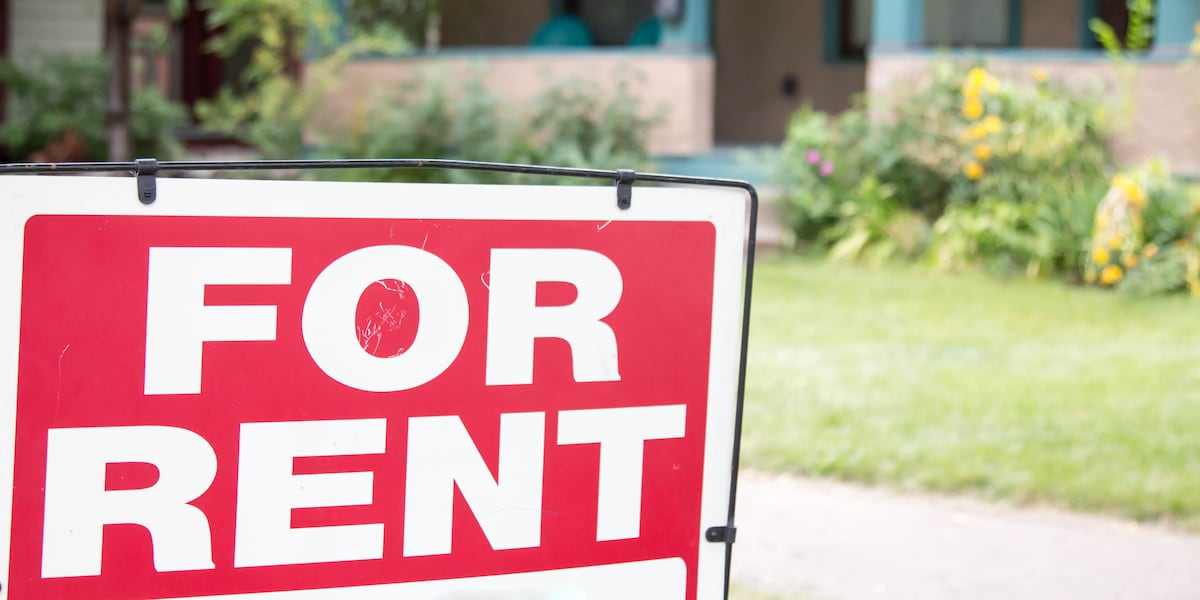

LAS VEGAS, Nev. (CONSUMER REPORTS) – Every year begins with fresh starts and for many people, that means finding a new place to rent. That search often starts online: scrolling, clicking, and comparing what’s available. But Consumer Reports says it’s worth being cautious before moving forward, to help avoid losing money and exposing personal information on a rental that turns out not to be real.
Rental scams are costing people millions of dollars every year. Real estate broker Rachel DiSalvo says a scammer stole one of her own listings originally for sale and reposted it online as a rental. Unfortunately, the people got scammed out of money.
These types of scams aren’t just on rental websites anymore — they’re on social media and scammers are using ads and stolen videos from actual listings to trick renters into sending money and personal information.
A new report from the Federal Trade Commission shows renters have reported nearly 65,000 rental scams since 2020, with losses totaling about $65 million. And because many scams are never reported, the FTC says the real losses are likely much higher.
People ages 18 to 29 are three times more likely than other adults to report losing money to a rental scam. Consumer Reports says there are ways renters can protect themselves.
First, search for the rental address online. If the same place is listed with different prices, different contact information or listed for sale instead of rent – that’s a red flag.
Next, be cautious about sharing personal information too early. Before you’ve agreed to rent, a landlord doesn’t need sensitive details like your Social Security number to run a credit check.
And if a listing is priced far below similar rentals, and someone pressures you to move fast, that’s a sign to walk away.
Rachel says you should also avoid paying in cash. She recommends using more secure forms of payment. Typically, she would request a certified cashier’s check or a bank check.
Consumer Reports says there are other payment methods you should stay away from. You should never be pressured into paying your deposit or your rent with gift cards, cryptocurrency, or wire transfer. If you’re being asked to use those methods it’s a strong sign that it may be a scam.
A bit of caution can help keep your money and information safe. And one more thing to keep in mind for college renters: scammers often target Facebook groups where students look for sublets and off-campus housing.
Copyright 2026 KVVU via Consumer Reports. All rights reserved.