

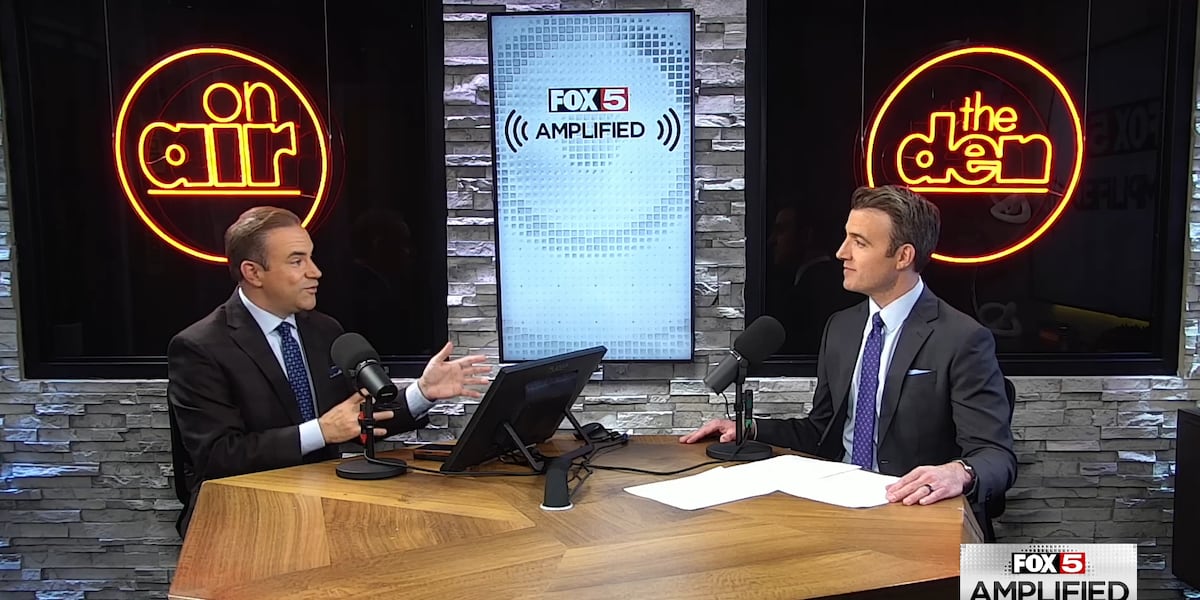

LAS VEGAS (FOX5) — Water experts gathered for a FOX5 Investigates panel discussion to address Southern Nevada’s water future as seven states work toward a mid-February deadline for a new Colorado River agreement.
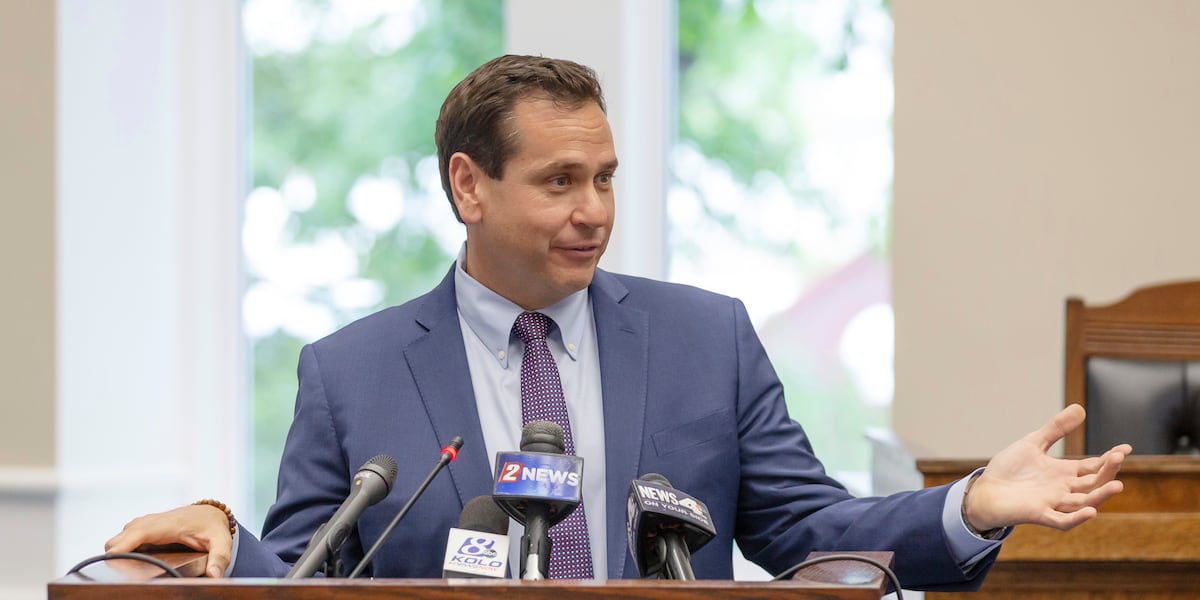
Chief Meteorologist Sam Argier moderated the panel featuring Zane Marshall from the Southern Nevada Water Authority, UNLV law professor Tom Romero who specializes in water law, and Dr. Matthew Petrie, head of UNLV’s Dryland Eco-Hydrology Lab.
The discussion comes as the region faces ongoing drought conditions and negotiations over water rights that date back more than a century.
Nevada’s limited water allocation
Nevada receives only 1.8% of Colorado River water under the 1922 Colorado River Compact, which amounts to 300,000 acre-feet annually. The compact was created when Nevada had a much smaller population and limited agriculture compared to other states.
“At that time, it was based on agriculture, where the population centers were,” Argier said. “So Colorado was growing at the time. California had a ton of agriculture. So for us here in Las Vegas and in Nevada, we were very, very small in the early 1920s, not a ton of agriculture.”
An acre-foot of water serves approximately three homes per year in Las Vegas, Margier explained.
Conservation measures show results
Las Vegas has become a model for water conservation despite its desert location and tourism industry. The city returns most indoor water use back to Lake Mead after treatment.
“Everything, as I mentioned, indoor use, sinks, faucets, showers, all of that’s treated, goes back to the lake,” Margier said.
The focus has been on reducing consumptive water use, particularly for landscaping. The Southern Nevada Water Authority has offered rebates for turf removal, though the program has faced some legal challenges.
“That’s why over the last 25 years, we’ve seen a lot of turf being taken out, and it’s caused some contention,” Argier said. “There are some lawsuits actually going on right now with SNWA.”
Conservation impact significant
Without conservation measures implemented over the past 25 years, Lake Mead would be approximately 100 feet lower than current levels, according to the Southern Nevada Water Authority.
“If SNWA didn’t put the measures in place, they told us that Lake Mead would be about 100 feet lower than it is today without the conservation measures,” Argier said.
The region has banked 12 years of water demand by using less than its full allocation in recent years.
Snowpack concerns continue
Current snowpack levels in the Rocky Mountains, which feed the Colorado River system, stand at about 64% of average as of late January. The snowpack and subsequent runoff are critical factors in Lake Mead water levels.
“Most climatologists don’t really see that happening anytime soon,” Argier said. “It would take several seasons of above-average snowpack, which you not only have the snowpack, but you have the runoff.”
Interstate water negotiations ongoing
The seven Colorado River states face a mid-February deadline to reach a new water-sharing agreement. If states cannot agree, the federal Bureau of Reclamation will step in to mediate.
The current negotiations stem from the century-old Colorado River Compact, which law professor Romero says needs updating for modern conditions.
“We’re working from the Colorado River Compact in the early 1920s, when it was founded,” Argier said. “Things have changed a lot since then.”
Romero expressed confidence that states will continue reaching short-term agreements because water affects everyone.
“He says the one thing about water is that everyone speaks water,” Argier said. “Whether you’re a rancher, you’re a city planner, whatever you are, whatever you do, people speak water.”
Infrastructure improvements provide security
A third intake from Lake Mead, completed in recent years, provides additional security for Southern Nevada’s water supply. The intake draws from the lowest level of the lake, ensuring access even if water levels drop significantly.
“We would be the last to draw from Lake Mead if that scenario ever happened,” Margier said.
Expert outlook cautiously optimistic
Panel participants expressed cautious optimism about the region’s water future, citing conservation efforts and collaborative approaches with other states.
Marshall from the Southern Nevada Water Authority said he was confident with caveats, while other experts described themselves as cautiously optimistic about water availability over the next 10 to 20 years.
The Southern Nevada Water Authority is working on collaborative projects, including a water treatment facility partnership with Los Angeles that would provide Nevada with an increased Colorado River allocation.
Copyright 2026 KVVU. All rights reserved.