



LAS VEGAS (FOX5) — Local health officials say medetomidine, a powerful veterinary sedative known as “rhino tranq,” has been detected in Southern Nevada’s illicit drug supply.
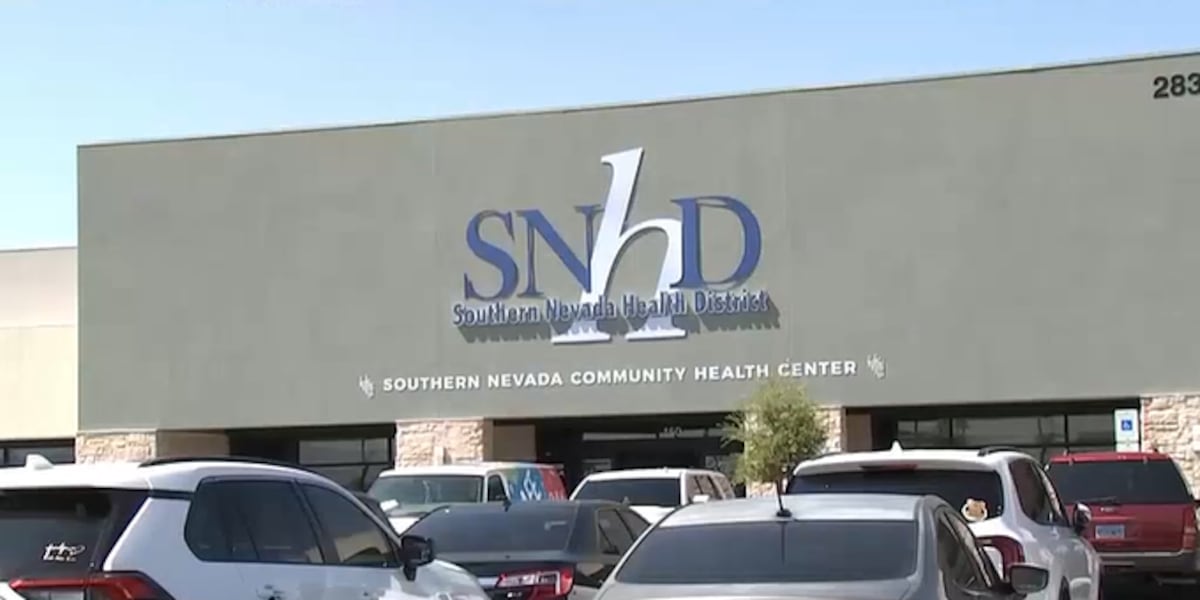
The Southern Nevada Health District identified the drug through its community surveillance program, which anonymously tests used drug paraphernalia. Five positive samples have been confirmed since July 1, 2025, though the substance represents less than 1% of all samples collected since September 2024.
Medetomidine is a veterinary sedative similar to xylazine but significantly more potent—100 to 200 times stronger—and capable of producing longer-lasting sedation, a dangerously low heart rate, and more severe withdrawal symptoms. While not an opioid itself, the drug has surfaced in the local illicit drug supply primarily mixed with fentanyl.
“The detection of medetomidine in our local illicit drug supply is a serious and evolving public health concern,” said Dr. Cassius Lockett, District Health Officer for the Southern Nevada Health District. “This potent veterinary sedative—often mixed with opioids like fentanyl—can cause profound sedation and unpredictable effects, increasing the risk of severe harm or death.”
Rising Overdose Deaths
The alert comes as overdose deaths continue to climb in Clark County. Surveillance data from September 2024 to August 2025 showed a 50% increase in fentanyl-related deaths. Methamphetamine-involved deaths increased nearly 42%, health officials report.
The health district says, at this time, medetomidine has not been linked to any overdose deaths in Clark County.
Dangerous Signs
According to SNHD, Medetomidine primarily causes severe sedation but can also trigger low blood pressure, slowed heart rate, dizziness, extreme fatigue, shortness of breath, nausea, blurred vision, and confusion.
Health officials warn that a person who overdoses on a drug containing medetomidine may remain unresponsive even after naloxone, commonly known as Narcan, successfully reverses the opioid component of the overdose. This happens because medetomidine is not an opioid and therefore cannot be reversed by naloxone alone.
When responding to a suspected overdose, health officials emphasize prioritizing breathing over responsiveness. A person should take at least one breath every five seconds and should not appear pale, gray, or blue. Anyone suspecting an overdose should call 911 immediately.
The Health District urged residents and health care providers to stay informed about the substance and access community overdose prevention resources.
Copyright 2026 KVVU. All rights reserved.