



LAS VEGAS (FOX5) — Nevada and Utah are using cloud seeding operations in attempts to stretch their natural water supplies through weather modification technology.
The Desert Research Institute operates cloud seeding at strategic sites throughout the West, supported by state funding within Nevada. In Utah, the largest cloud seeding research effort ever in the state is now underway to determine the technology’s effectiveness.
How cloud seeding works
Cloud seeding machines use 24/7 climatologists who watch weather patterns and remotely activate generators when appropriate storms appear. The technology shoots silver iodide into passing storms to increase precipitation.
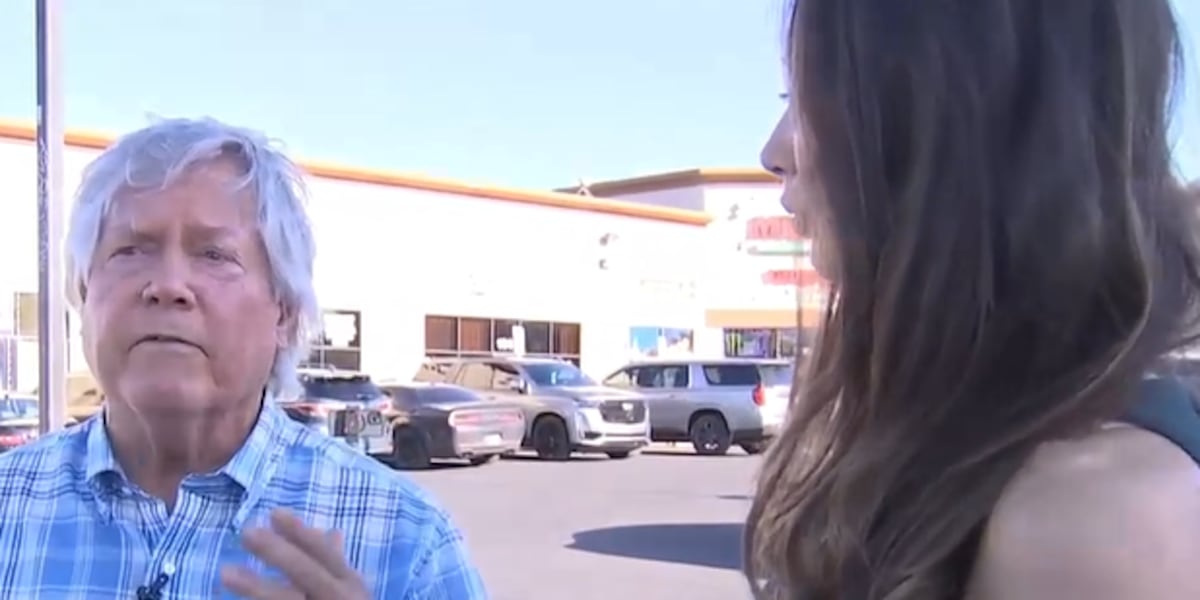
“It was accidentally discovered in the late 1940s that if you introduced ice into certain types of clouds that you could get those ice crystals to grow into snowflakes sizes and fall out,” said Frank McDonough with DRI.
Nevada funding and results
A cloud seeding machine on Mt. Potosi was installed to bring more rain to Red Rock Canyon. Pauline Van Betten, with the group Save Red Rock, helped raise money to bring the generator to the mountain and reported positive results after the first year.
“We had over 2 billion gallons of water added to the system,” Van Betten said.
DRI says its generators add billions of gallons to the water supply every year. In 2023, the Nevada State Legislature unanimously passed funding for a statewide cloud seeding project, appropriating $1.2 million over two years to DRI.
Utah research expansion
Utah now claims to run the world’s largest remote-controlled cloud seeding program. Researchers from the University of Utah and Utah State University are using laser-based technology to examine clouds and storm evolution with the goal of seeding storms and increasing winter snowpack.
Long-term evaluations of cloud seeding programs suggest the technology makes a difference, showing “about a six to twelve percent increase in precipitation which may not sound like a lot but when you translate that over the course of a decade, that’s an additional half year to a year of snowpack,” explained Jonathan Jennings, a meteorologist with the Utah Division of Water Resources.
Researchers in Utah are also testing new drone technology that could allow for more precise cloud seeding by flying directly into specific areas of winter storms.
Copyright 2026 KVVU. All rights reserved.