


LAS VEGAS, Nev. (FOX5) – As Nevada leaders urge the federal government to release more land to ease the state’s housing crisis, conservation groups raise concerns over water use — and whether Lake Mead and the Colorado River can sustain a growing population in the Las Vegas Valley.
Thursday, Assembly leaders overwhelmingly passed AJR10, urging the federal government and Congress to act to release land to the state.
Sen. Catherine Cortez Masto spoke before legislators in Carson City, Thursday, reiterating her efforts to urge Congressmembers to act to pass land bills.
“Make appropriate federal land available for housing, for economic development– while also protecting sensitive landscapes,” Cortez Masto said.
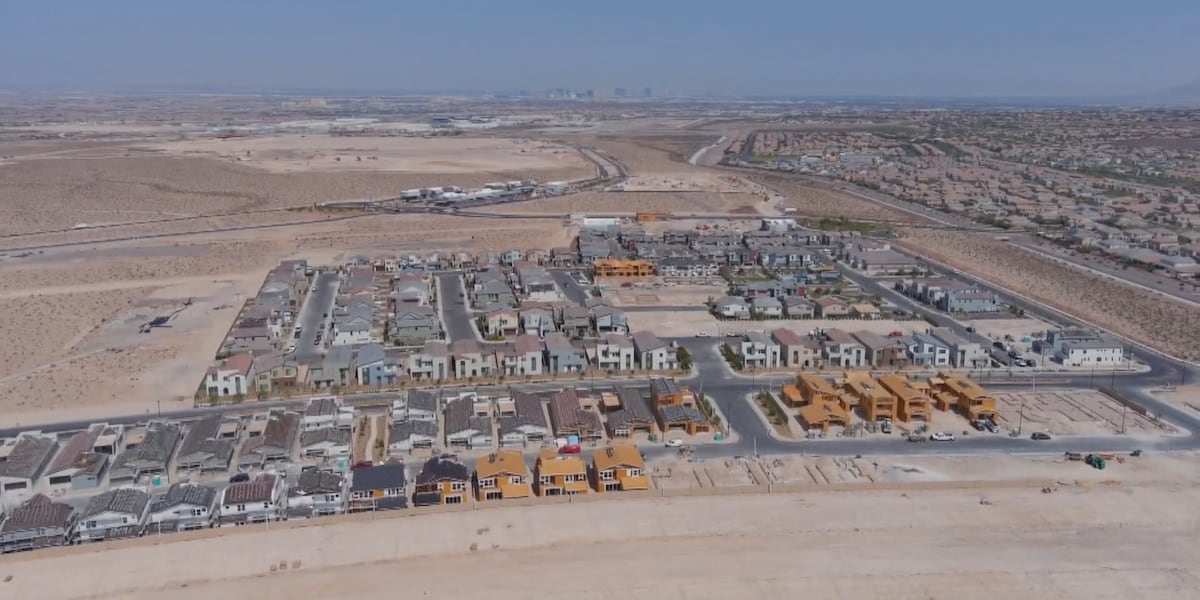
Around 88% of land in Clark County is owned by the federal government.
The “Southern Nevada Economic Development and Conservation Act” would release 25,000 acres of federal land for development and protect over 2 million acres of public land for conservation and recreation, so the “Las Vegas valley can plan for growth responsibly,” according to a spokesperson for Cortez Masto’s office.
“The land sales under this legislation would proceed under the long-standing SNPLMA process which includes environmental safeguards and delivers hundreds of thousands of dollars in funding each year to Nevada conservation projects,” a spokesperson said.
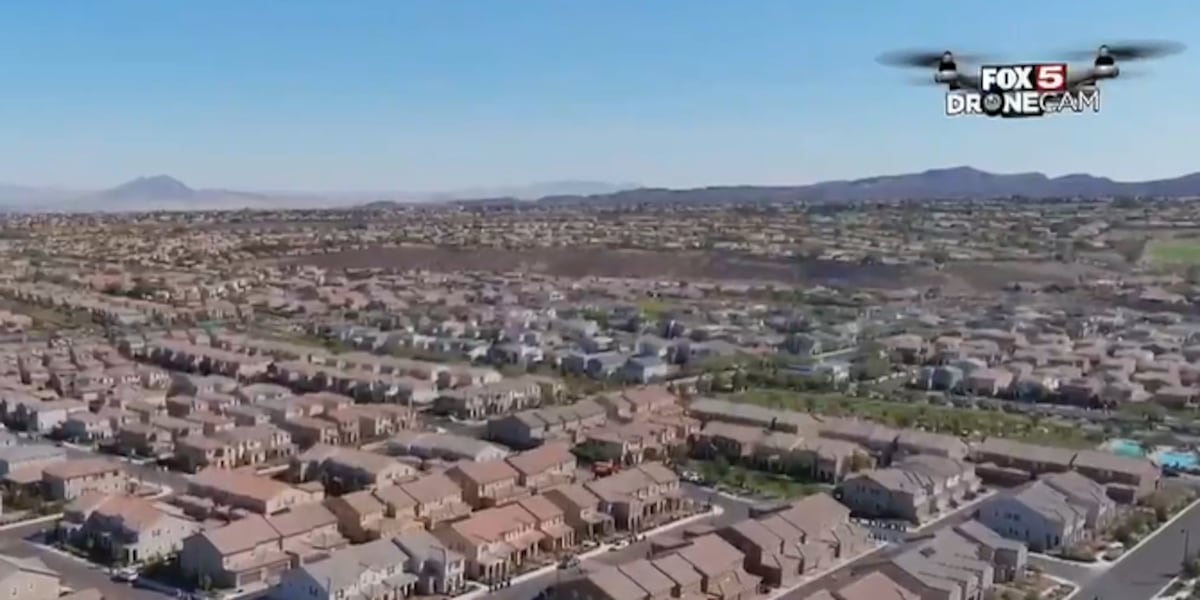
FOX5 has covered the concerns from local leaders on a stark projection for the land shortage: the Las Vegas Valley could run out of land for new homes and buildings by 2032, posing problems for Southern Nevada’s housing crisis and challenges for businesses to relocate to Nevada and diversify the economy.
The Great Basin Water Network spoke to FOX5 about concerns for sustainability with growth; the Colorado River and the West’s water supply faces increasing vulnerability due to climate change, and upstream water users such as Utah and Colorado have growing demands on the system.
“Building another couple more ‘Summerlins’ south of the Las Vegas Valley: that’s something that, as it relates to consumptive uses of water, everyone should be scared about,” said executive director Kyle Roerink.
“For every other conservation measure that we do, are we just going to give that water away to someone else right now, or are we actually going to conserve it in the long run?” he said.
Roerink tells FOX5, leaders and developers should instead focus on “infill” — building on remaining plots of land, within the Las Vegas Valley, and adding multi-level properties and apartments to maximize Southern Nevada’s available land.
It’s the responsibility of local government to reduce the environmental footprint of various development plans, according to Cortez Masto’s office, pointing to the All In Clark County initiative.
According to the Southern Nevada Water Authority, though climate change is an unknown variable, uncertainty can be reduced with long-term planning: models have projected various scenarios with water supply and growth through 2074, with population estimates ranging from 3.5 million to 4.4 million people.
New development codes ensure that new growth and development is not a significant constraint to water supply: for all new homes, no grass is allowed in the front yard or backyard, the size of swimming pools is now limited, and plumbing fixtures must be built with the highest efficiency, spokesperson Bronson Mack tells FOX5.
The Valley’s robust wastewater system– recycling indoor water– ensures that any indoor usage from homes is not “consumptive,” Mack said.
Various measures continue to help decrease the average person’s water use per day.
Copyright 2025 KVVU. All rights reserved.