



LAS VEGAS (FOX5) — The Clark County Fire Department is using a unit that allows EMS staff to give blood transfusions to patients in the field before they reach a hospital.
Leaders at Clark County Fire Station 18 off Flamingo showed us the device, which they say is the only one of its kind in Nevada. Officials tell FOX5 only 400 agencies nationwide have similar units.
How the blood transfusion unit works
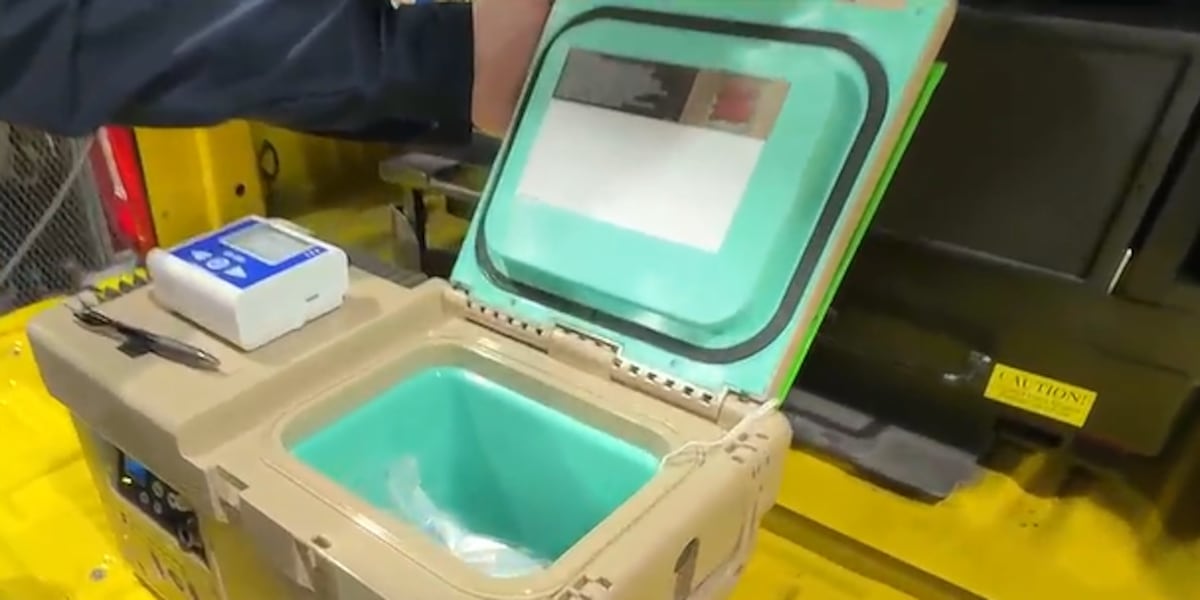
The unit resembles a toolbox and carries blood that’s kept at a specific temperature to prevent spoiling.
“It’s like carrying liquid gold,” said CCFD EMS Assistant Chief Daylon Woolbright.
UMC says bleeding is the most common cause of death in any type of injury. Instead of waiting for a patient to receive blood at the hospital, EMS Captain Chris Thorp takes the box to the scene in a rapid response vehicle, boards the ambulance, and administers blood to the patient en route to the hospital.
MORE ON FOX5: Vitalant blood drive honors 1 October victims nine years later
“We’ve seen great success there. Just in those first five minutes of blood being on board of a traumatic injury with significant bleeding, and good patient outcome. And a lot of discharges home,” Woolbright said.
“You’ll see people…not conscious. And then by the time we arrive at the hospital they’re picking their head up and looking around. And that’s a tremendous impact to that patient,” said Thorp.
Blood supply and expiration
The department says blood lasts 21 days. If it has not been used after 14 days, the department returns it to UMC hospital for use before it expires. CCFD also works with Vitalant and other groups.
Only one unit currently carries blood as crews study the need for blood across the valley and how to use it efficiently, so it does not go to waste. But CCFD told FOX5 it appears right now from the pilot project that there may be a need for more devices in the valley.
The fire department has provided transfusions to 22 people so far.
Woolbright says they carry low-titer O positive whole blood. He says they can give that to any patient who meets the criteria, those with severe blood loss and certain vital sign patterns.
Woolbright says whole blood is a supply and demand concern and says it relies heavily on the donor network.
“So, it’s important that people are out there donating blood,” said Woolbright.
Copyright 2026 KVVU. All rights reserved.