



LAS VEGAS (FOX5) — A new UCLA study identifies Nevada as a leading example of wastewater recycling among Colorado River Basin states, while saying most other states in the basin are behind on reuse efforts.
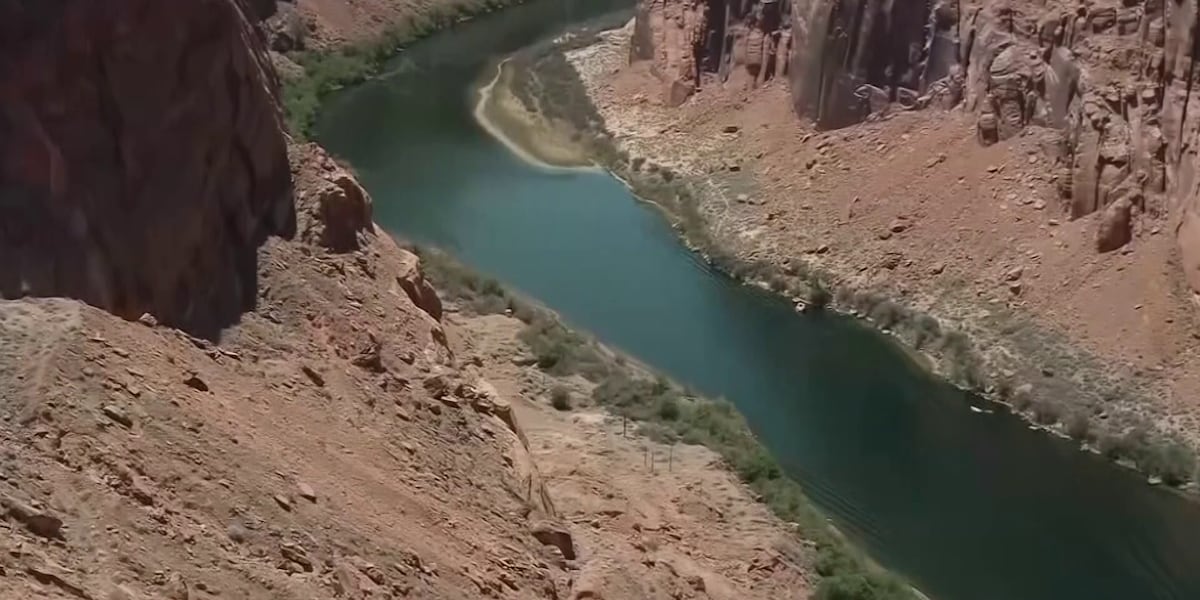
The Colorado River has been affected by more than a quarter-century of drought. Southern Nevada receives the smallest share of the river’s water among basin states.
Nevada’s recycling system
Noah Garrison, a water researcher with the UCLA Institute of the Environment & Sustainability, said Nevada recycles its wastewater effectively because Las Vegas can treat wastewater from the city and discharge it into the Las Vegas Wash, where it flows back into Lake Mead and can be reused.
“So it turns out that Nevada is actually doing an incredible job of recycling its wastewater, largely because the city of Las Vegas can treat wastewater that comes out of the city, place that water or discharge that water into the Las Vegas wash, it goes back into Lake Mead, and then it can be reused,” Garrison said.
Southern Nevada has tightened outdoor water use, removed turf, and built a reuse system that keeps the valley within its Colorado River allocation. UCLA researchers said that combination of conservation and recycling is a model other states will need to copy.
“And it turns out in the Colorado River Basin states, we’re not doing a particularly good job of recycling water. We have opportunity to provide significantly more water, and we’re not making use of that, and we need to change,” Garrison said.
Other states lag behind
Arizona also received high marks in the study, with Phoenix reusing more than half of its wastewater. The report said most other Colorado River Basin states are behind, leaving treated water unused.
“But there’s huge opportunity in the other Colorado River Basin states, and as those states see greater and greater water supply shortages, and less and less water available on the Colorado river, they’re going to have to start making use of that wastewater,” Garrison said.
Water law creates barriers
One reason other states have not caught up is water law. In some states, cities do not control water once it has been treated.
“So unfortunately, current water rights law actually presents a hurdle or challenges for additional wastewater recycling in some states. For example, in Colorado, water rights are that once you treat wastewater, that water has to be discharged. It has to be put back into river systems or creek systems because it belongs to somebody else,” Garrison said.
Researchers said the Colorado River is short by two to four million acre feet every year, representing up to 40% of its total flow. They said expanding Nevada- and Arizona-style conservation and recycling could close a significant part of that gap.
“We have a shortfall of between two and four million acre feet per year on the river. Twenty to forty percent of its total flow. And we need to find ways to conserve water because the water simply isn’t available,” Garrison said.
Study’s message to the basin
Garrison said the water needed to meet demand across the basin exists, but states need to change how they use it.
“We actually have the water that we need to meet all of our needs across the basin. But we have to be smarter about how we use that. We have to look at different solutions and fixes for addressing this problem,” Garrison said.
The UCLA report suggests that if other states matched Southern Nevada’s conservation and recycling practices, the Colorado River’s water shortage would be reduced.
Copyright 2026 KVVU. All rights reserved.