




LAS VEGAS (FOX5) — Today, the University of Nevada, Las Vegas, serves more than 30,000 students and offers more than 180 graduate degrees. But it began with just a few dozen students gathered in some spare space at Las Vegas High School, and the vision of one very determined state lawmaker.
The population of the Las Vegas Valley swelled after World War II ended. Veterans arrived here looking for a fresh start and the affordable education provided to them through the GI Bill. In 1951, 28 students gathered in the dressing rooms of Las Vegas High’s auditorium for an extension program created by the University of Nevada Reno.
“So originally this was the Southern Regional Division of the University of Nevada because it was really part of the Reno campus. It didn’t become fully independent until the late 60’s when it’s Nevada Southern,” says UNLV history professor, Michael Green.
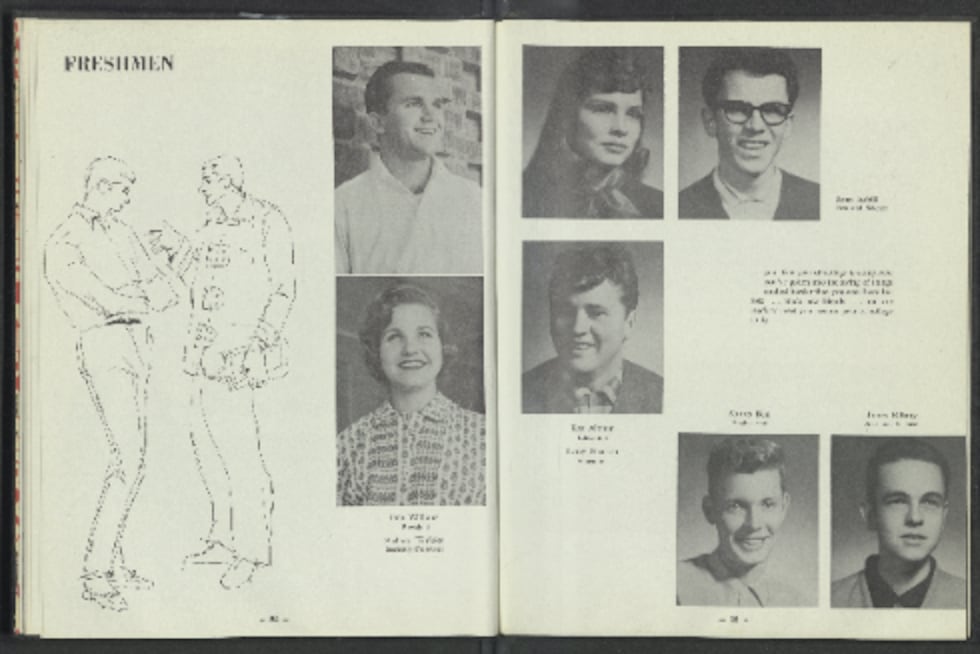
The regional status didn’t sit well with students, or with state assemblymember Maude Frazier, who also served as the local school superintendent. In 1955, they adopted the Rebel as their mascot to signal their desire to break free from UNR, while Frazier began her push for a proper university for the south. She faced a lot of resistance from lawmakers, but they could not deny the need.
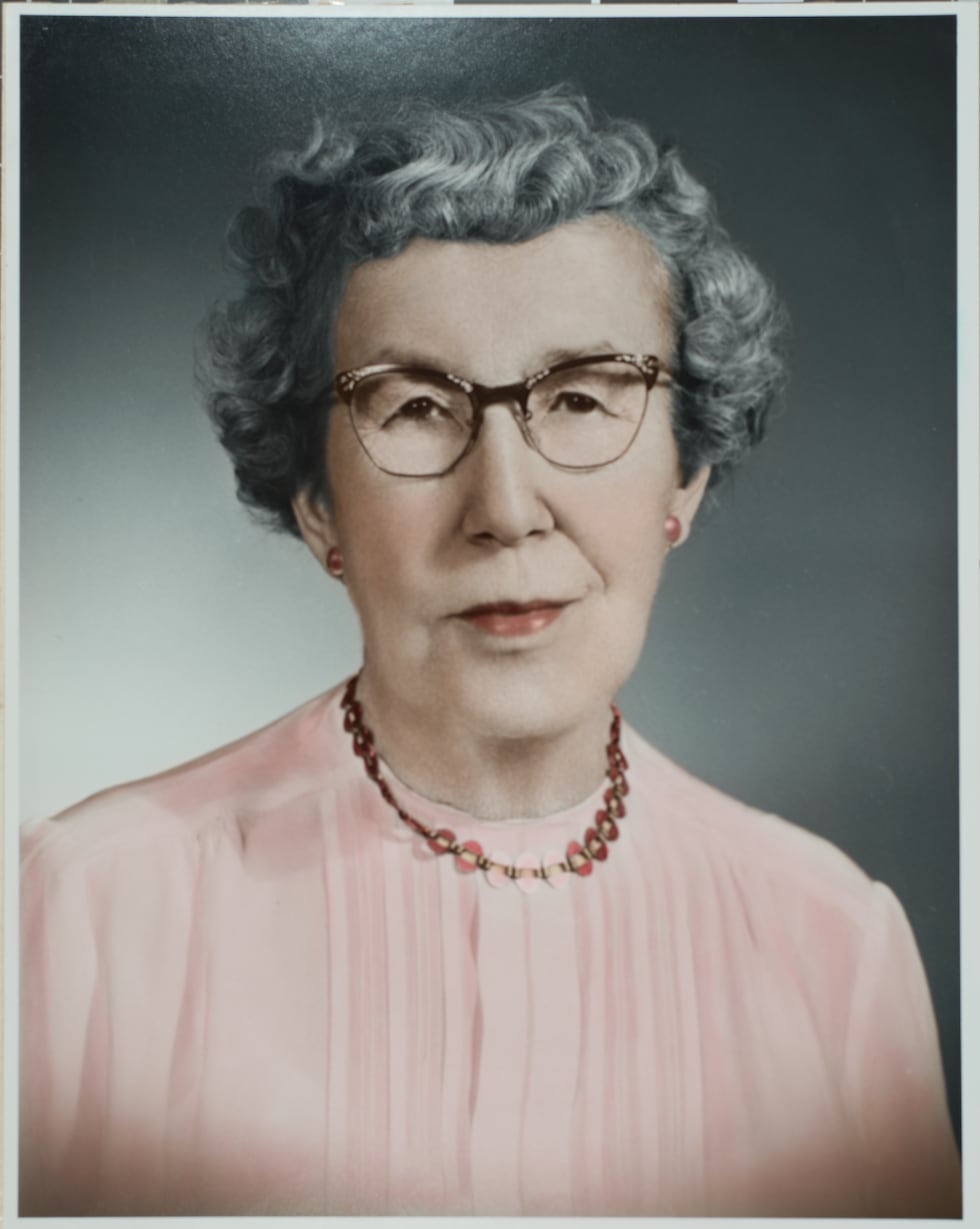
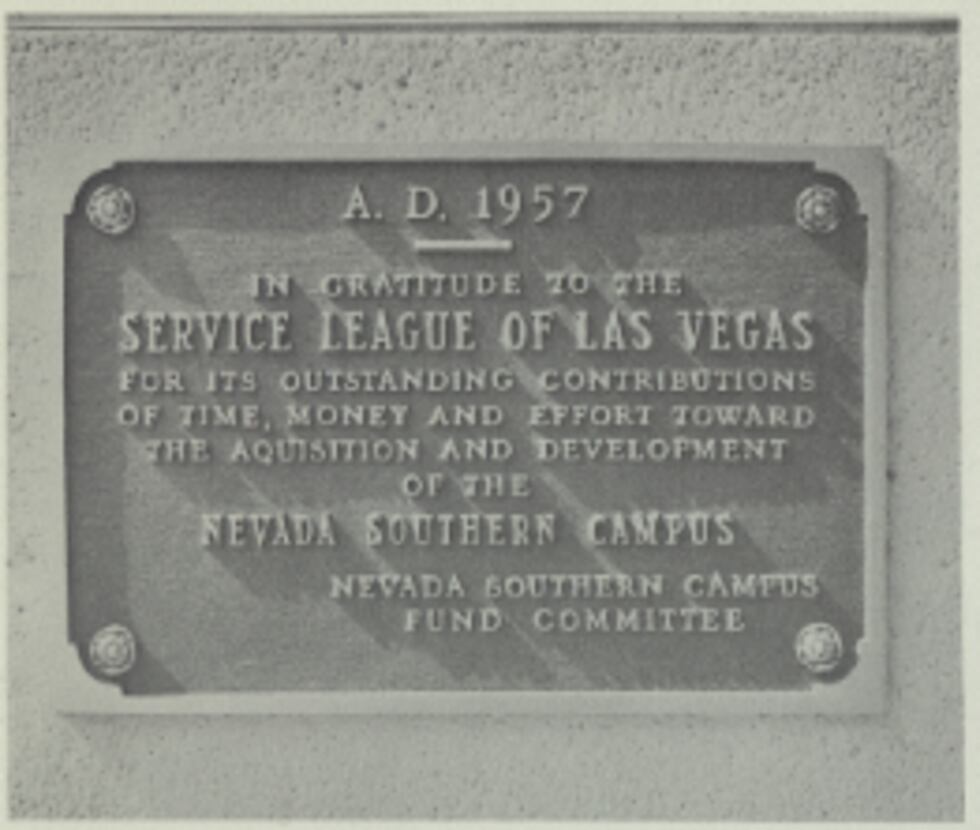
“There was great interest in having a university here. In fact, the reason the legislature final went along is that both Brigham Young University and the University of Southern California were making noises about opening up branches here,” says Green. “And eventually the legislature said, okay, you all have got to raise money for us to be able to give you money. They had what they called the porchlight campaign. If your porchlight was on you were ready to help.”
A lot of porchlight’s stayed on and a lot of contributions came pouring in.
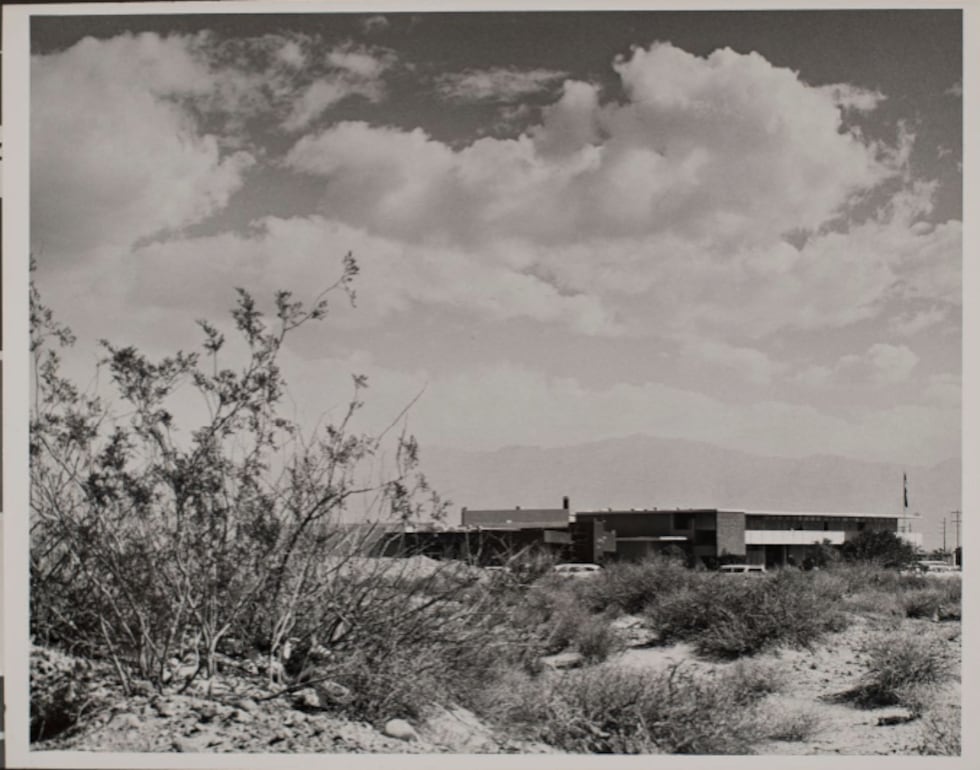
Finally, the Nevada Board of Regents signed off on the project and selected an 80-acre parcel of land along a two-lane dirt road now known as Maryland Parkway. And on September 10th, 1957, the university held its first on-campus classes in a brand new 13-thousand square foot building that would one day bear Maude Frazier’s name.
Michael Green isn’t just a professor at UNLV, he’s also an alumnus.
“I was a student here first, getting a BA and an MA, from ’82 to ’88, taught here part-time a few times over the years, became a professor here in 2014, so I have a long history with the place and I think of all of the changes I have seen, there used to be Frazier Hall behind me, the building couldn’t be saved. The whole campus has just grown incredibly.”
And so has the community that surrounds it.
“If you think back, when the first classes were offered at what became UNLV, the population of Las Vegas was maybe ten thousand. Well, Las Vegas itself is about three-quarters of a million, I guess, the county itself is more than 2.4 million, UNLV has mushroomed to more than 33 thousand, growth is the story, isn’t it?”
But it’s also a story about collaboration.
“It’s always been that the community and UNLV have to help each one another,” says Green. “It is not simply one controlling the other or doing things for the other, it’s been a symbiotic relationship and beneficial to both sides,” says Green.
“Somebody comes on campus, walks into any building, and from the arts to history to technology, the community is benefiting, and the community can learn from UNLV, and we can benefit from the community and learn from the community.”
And Green says cooperation has real-world benefits that are clear to see.
“UNLV benefits the Valley economically. There are all of these things going on here that range from patents over in engineering, to the study of sports, to UNLV helping to trigger the Raiders coming here, and the building of Allegiant Stadium.”
The university was known as Nevada Southern until 1968.
In 1969, the Board of Regents approved the long-wanted name change, and the campus became the University of Nevada Las Vegas.
Over the next 30 years UNLV would add more than 100 buildings, add dozens of additional degrees for both undergraduates and graduates.
The university’s also recruited nationally ranked and recognized teams in a variety of sports, where they were all played under the Rebel nickname students adopted way back in the 50’s.
“UNLV’S history is just chock full of history,” says Green. “UNLV’s had a terrific past in a very short time. It has a great future. There’s a lot going on here, a lot of stuff bubbling up, a lot of people thinking about things and teaching important things.”
Copyright 2025 KVVU. All rights reserved.