


LAS VEGAS (FOX5) — Sen. Catherine Cortez Masto said she is pushing to ban artificial intelligence surveillance pricing in grocery stores, in what’s called the “Stop Price Gouging in Grocery Stores Act.”
“Big corporations collect and purchase Americans’ personal information to create a detailed profile of consumers. This data, coupled with mobile apps, facial recognition, and other biometric technology, allows companies to charge different people different prices for the same item,” said a news release from the Senator’s office.
Thanksgiving prices
Fox News says Thanksgiving dinner prices have hit an all-time high.
Three Square Food Bank told FOX5 this week it decided not to buy whole turkeys for its community partners this year. The food bank said whole turkeys doubled in price compared to last year.
Shoppers react
FOX5 talked to some shoppers Tuesday who said such pricing isn’t fair.
Shopper Paul Duhacek said he has a budget and wants to stick to it.
“I want to do the math, and I want to come up with a budget that I budgeted for my month for 200 bucks. This is what I’m paying for groceries. And then I come out of here with $202 when it should be $200,” Duhacek said.
Steven Pape said he does not want his data used at all.
“Think it’s just another level of control that we’re giving to the government that they should not have,” Pape said.
MORE ON FOX5: Nye County deputies find 101 firearms after shooting, standoff
What the measure would do
Along with prohibiting surveillance pricing in grocery stores, Senator Cortez Masto’s proposed measure would also do the following:
- Require grocery stores to disclose the use of facial recognition technology
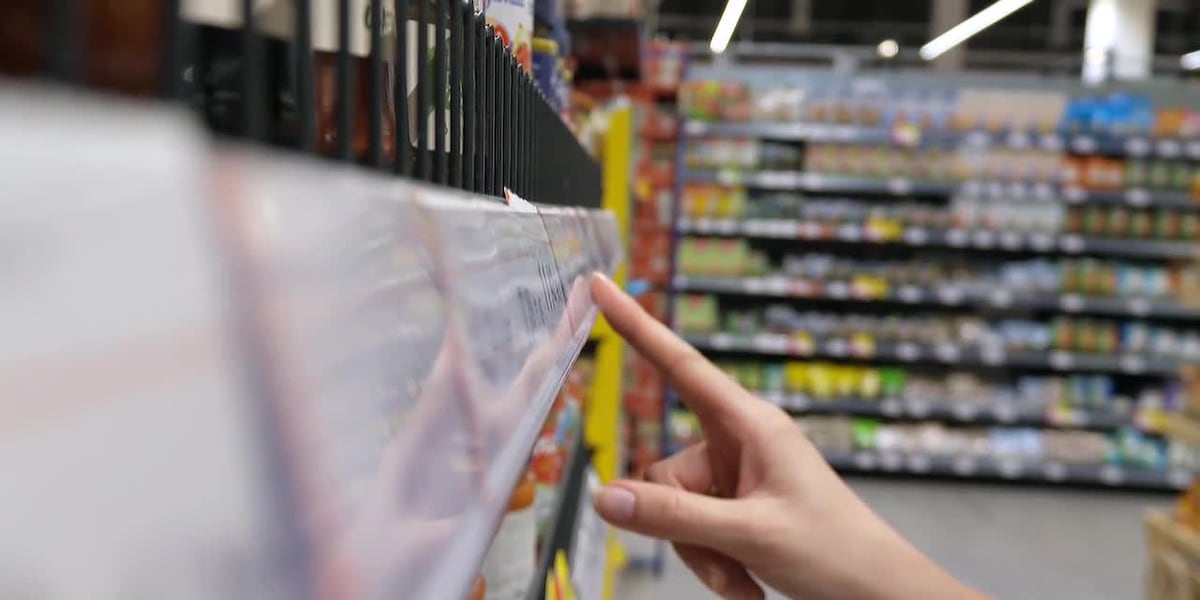
- Ban electronic shelf labels in large grocery stores
- Establish enforcement to hold corporations accountable
Walmart responds
Walmart was the only company that responded to FOX5 requests for comment about the Senator’s proposed plan.
John Furner, CEO of Walmart, said in a recent letter that “We price the product, not the person.”
Furner added, “Prices can change. We lower them when we can pass savings along. Sometimes they rise because an item costs more to buy or transport. But using someone’s income, shopping history or moment of need to charge them more would violate the EDLP (Every Day Low Prices) promise our business model is built on. We won’t do it.”
Furner also mentioned digital shelf labels in Walmart Stores.
“A shelf price should match what rings up at checkout. Digital shelf labels help us do that more consistently by displaying the right price. They also save associates time replacing paper tags. It may sound like an easy task – but as someone who has had to change those paper tags by hand over the years, I can tell you it’s a time-consuming and unrewarding task,” said Furner.
The FOX station in Seattle reported in October that Seattle has banned large grocery stores and delivery services from using customers’ personal data and AI to set individual prices.
Senator Cortez Masto is working on the measure with lawmakers from New Mexico and Oregon.
Copyright 2026 KVVU. All rights reserved.