

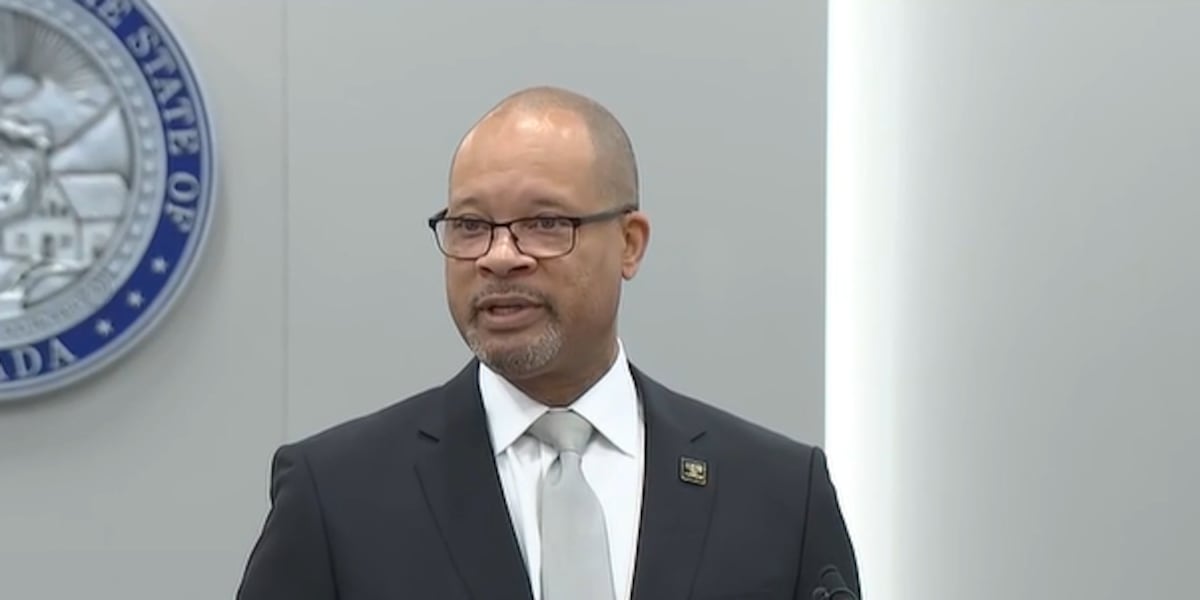

CARSON CITY, Nev. (FOX5) — Attorney General Aaron D. Ford co-led a coalition of 23 attorneys general in responding to the U.S. Supreme Court’s decision to grant the Trump administration’s emergency request to stay an injunction blocking key provisions of President Trump’s second elections-related executive order for this year’s midterm elections.
MORE ON FOX5: Waymo says it’s received permission to drive fully autonomously at Harry Reid International Airport
The Supreme Court’s decision stays a June 2026 order by the U.S. District Court for the District of Massachusetts that had blocked those provisions in the plaintiff states for the 2026 midterm elections, according to Ford’s office. The Supreme Court did not rule on whether the executive order is lawful, Ford’s office said. Instead, the court found the coalition’s challenge was premature because, when the lawsuit was filed, the administration had not taken the actions needed to implement it, according to Ford’s office.
The coalition intends to challenge those actions as they occur and as necessary to protect states’ administration of elections, Ford’s office said.
Ford’s response
“Presidents do not get to rewrite election laws by executive order. Nevada has the authority and responsibility to administer our elections in accordance with the Constitution and the laws passed by our Legislature, and we will defend that authority,” Ford said. “While this decision is disappointing, it does not settle the fundamental legal questions at the heart of this case. We will continue this fight and remain focused on protecting Nevada’s elections and the voters who depend on them.”
What the blocked provisions covered
The June 2026 order by the U.S. District Court for the District of Massachusetts had blocked a provision that would have required the U.S. Postal Service to issue regulations prohibiting the mailing of ballots for voters not included on new USPS lists of “enrolled” mail voters, according to Ford’s office.
The order also blocked provisions directing the U.S. Department of Homeland Security to create voter eligibility lists for each state — lists the government itself concedes would be incomplete — and provisions threatening state election officials with prosecution for providing ballots to voters the federal government deems ineligible, Ford’s office said.
The Trump administration appealed the district court’s ruling, arguing the plaintiff states’ suit was premature, but the U.S. Court of Appeals for the First Circuit declined to pause it, according to Ford’s office. The Trump administration then asked the U.S. Supreme Court for an emergency stay to temporarily block the lower court ruling while its appeal moved forward, Ford’s office said.
On Aug. 3, the coalition filed a response urging the Supreme Court to reject the request, according to Ford’s office. On Aug. 25, the Supreme Court granted the emergency stay, which could allow the challenged provisions to take effect while the appeal proceeds, Ford’s office said.
Copyright 2026 KVVU. All rights reserved.